
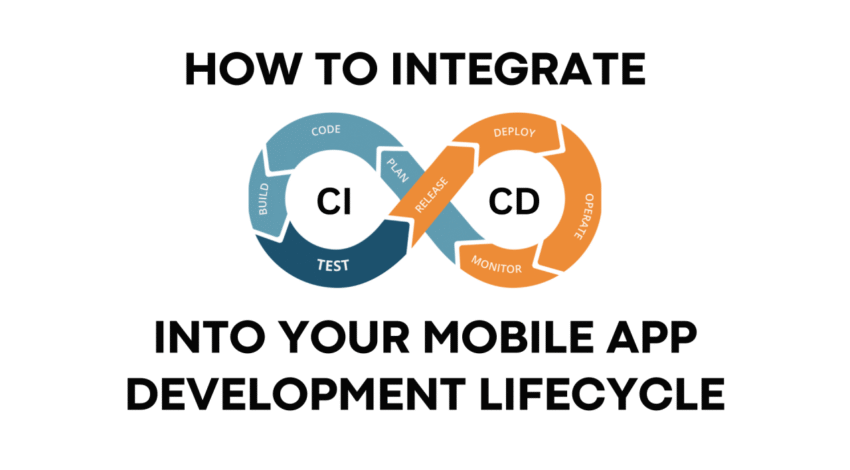
Shipping fast is easy; shipping fast safely is the craft. Modern mobile CI/CD couples reproducible builds, automated quality gates, and gradual exposure so you catch issues before they reach everyone. Below is a lean, production-ready playbook you can implement without turning your pipeline into a science project.
1) Reproducible, Secure Builds
- Hermetic runners: Pin Xcode/NDK/SDK versions in containers or ephemeral runners. Cache Gradle/CocoaPods, but invalidate on lockfile change.
- Credential hygiene: Store signing keys and API tokens in a managed vault; short-lived, scoped access per job. Never bake secrets into images.
- Determinism: Fix dependency versions (Gradle versions catalog / SwiftPM exact versions). Fail the build on transitive drift.
2) Stages and Fast Feedback
Organize the pipeline as: Lint → Unit → Build → Static Checks → E2E/UITest → Package → Distribute.
- Parallelize: Run unit tests and static analysis concurrently.
- Fail fast: Reject PRs on lint/type errors; keep the feedback loop under 10 minutes.
- Artifact reuse: Promote the same signed binary from internal → beta → production to preserve provenance.
3) Quality Gates That Matter
- Static & security: Lint, detekt/ktlint, SwiftLint, dependency vulnerability scans, and secret scanners.
- Tests: Minimum coverage thresholds, but focus on critical path tests (startup, login, purchase).
- Size & startup budgets: Block merges if IPA/APK increases beyond set %, or cold start regresses beyond threshold on reference devices.
- Privacy checks: Automated rules for analytics events (no PII), permission prompts, and screenshot-safe screens.
4) Automated Signing and Versioning
- Android: Play App Signing; service account with scoped permissions; auto-increment versionCode via CI.
- iOS: Automatic code signing with API keys; manage provisioning profiles in CI; bump build numbers on pipeline run.
- Release notes: Generate from conventional commits; map PRs to user-facing changes.
5) Distribution Rings
- Internal (dogfood): Every merge to
maingoes to an internal track/TestFlight with feature flags enabled. - Beta: Weekly or “green” builds for a wider audience (employees, selected users).
- Production: Only when telemetry is green. Always keep a hotfix lane ready.
6) Phased Rollouts and Safeguards
- Gradual exposure: 1% → 5% → 25% → 50% → 100% over 24–72 hours. Gate progression on error/ANR/crash rate, startup time, and key conversion metrics.
- Kill switches: Feature flags for risky code paths; ability to remotely disable a feature without resubmission.
- Server compatibility: Maintain backward compatibility windows; support N-1 client versions on critical APIs.
7) Observability from Day One
- Crash & ANR: Symbolicated crash reports, ANR traces, alerting on spikes per version.
- Performance RUM: Startup, frame time (jank), network failures. Slice by device/OS/locale.
- Release health: Adoption curve, retention, opt-in to push, permission grant rates.
- Correlation: Tag all events with
app_version,build_number,feature_flags.
8) Rollback and Hotfix
- Fast rollback: On Android, halt the staged rollout and revert to previous version. On iOS, pause rollout and push a hotfix build; use server-side flags to mitigate immediately.
- Post-mortem: Within 48 hours, record root cause, affected metrics, and a pipeline test that would have caught it.
9) Governance and Compliance
- Branch policy: Trunk-based with short-lived PRs; code owners for sensitive areas (payments, auth).
- Audit trail: Immutable logs for who built, signed, and promoted each artifact.
- Checklists: Pre-release gate (migrations tested, flags defaults, privacy review).
Bottom line: Treat the pipeline as a product. Make builds reproducible, enforce a few high-leverage gates, watch field telemetry like a hawk, and roll out gradually with reversible switches. You’ll ship faster—and sleep better.


